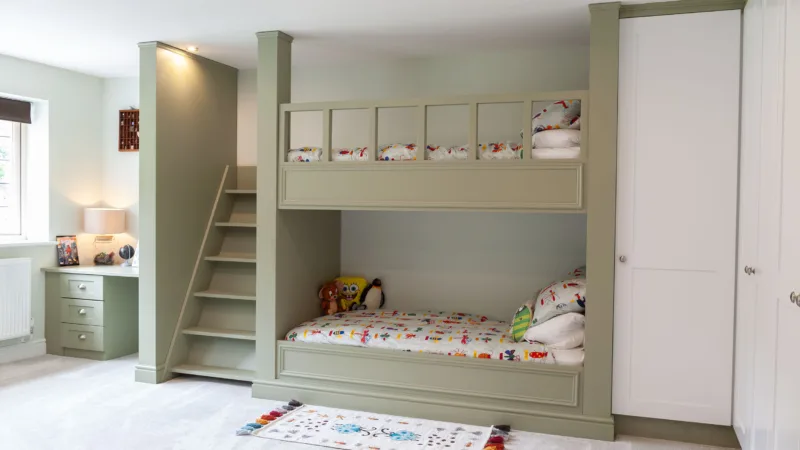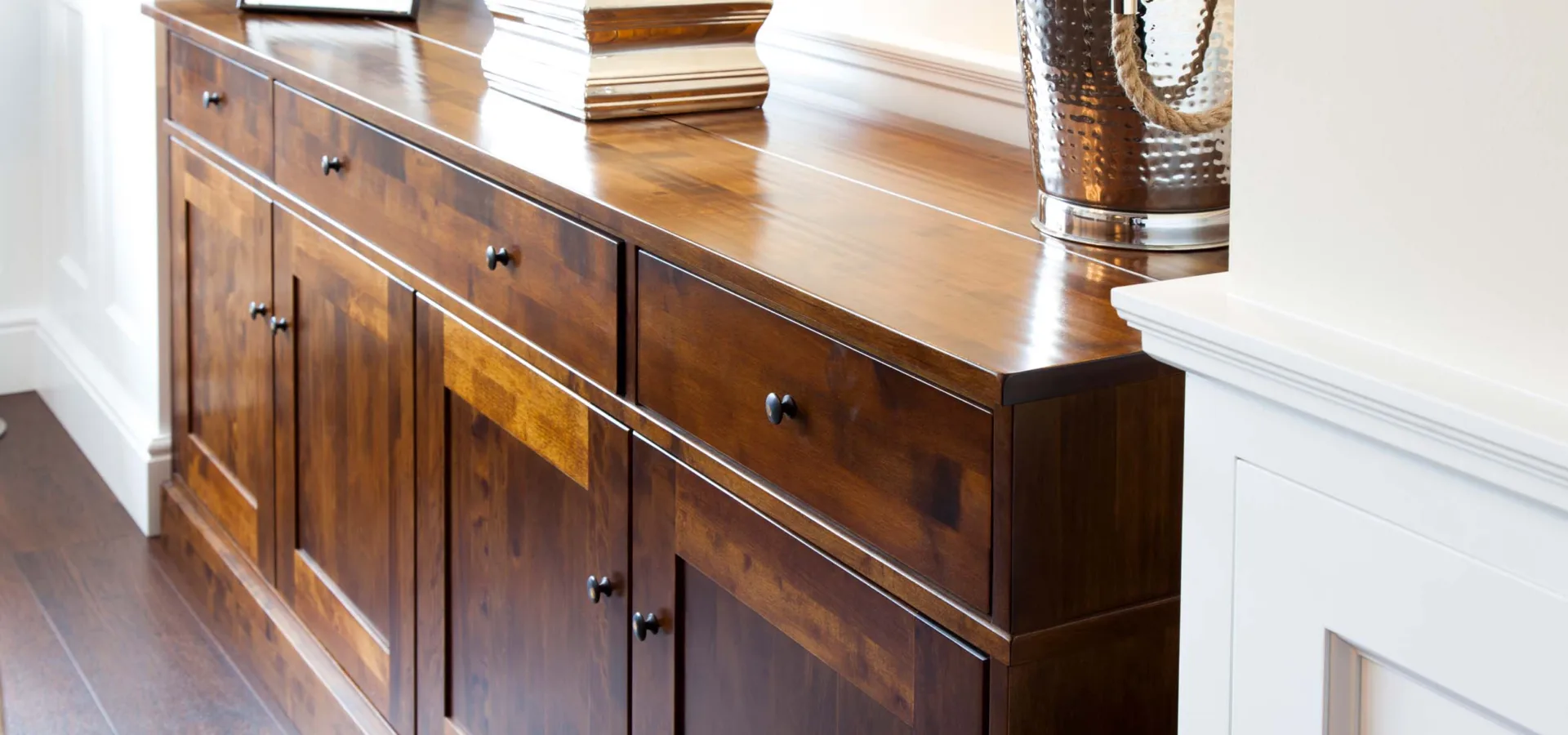
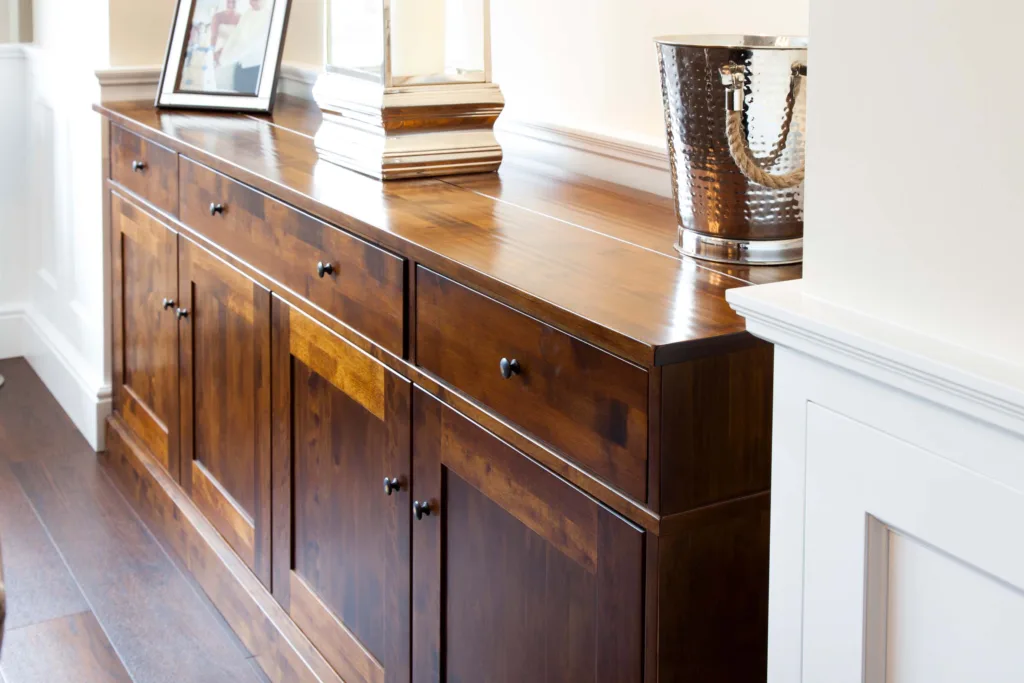
Spend a weekend looking at kitchens or wardrobes and you will see the same three words everywhere: bespoke, made-to-measure and fitted. They are often used as though they were interchangeable. They are not, and the difference can have a big effect on what you are actually buying.
None of these is automatically better than the others. Each suits different rooms and budgets. What matters is knowing which one you are being offered.
Fitted
This is the broadest of the three, and it tells you the least. Fitted simply means the furniture is fixed in place rather than freestanding. It says nothing about how it was made or whether it was sized for your room.
A wardrobe built from standard units, with filler panels closing the gaps at each end, is fitted. So is a one-off piece of cabinetmaking. Both are accurate descriptions, which is why the word on its own should prompt a follow-up question.
Made-to-measure
Here, an existing range is adjusted to suit your room. The door styles, finishes and construction come from a set collection, but widths, heights and depths can be changed so the furniture fits properly.
For many homes this is an excellent answer. You get the benefit of a tried and tested design, with a fit that standard sizes cannot match. A well-engineered range from a good manufacturer will often outperform something improvised from scratch, particularly when it comes to drawer runners, hinges and finishes.
Bespoke
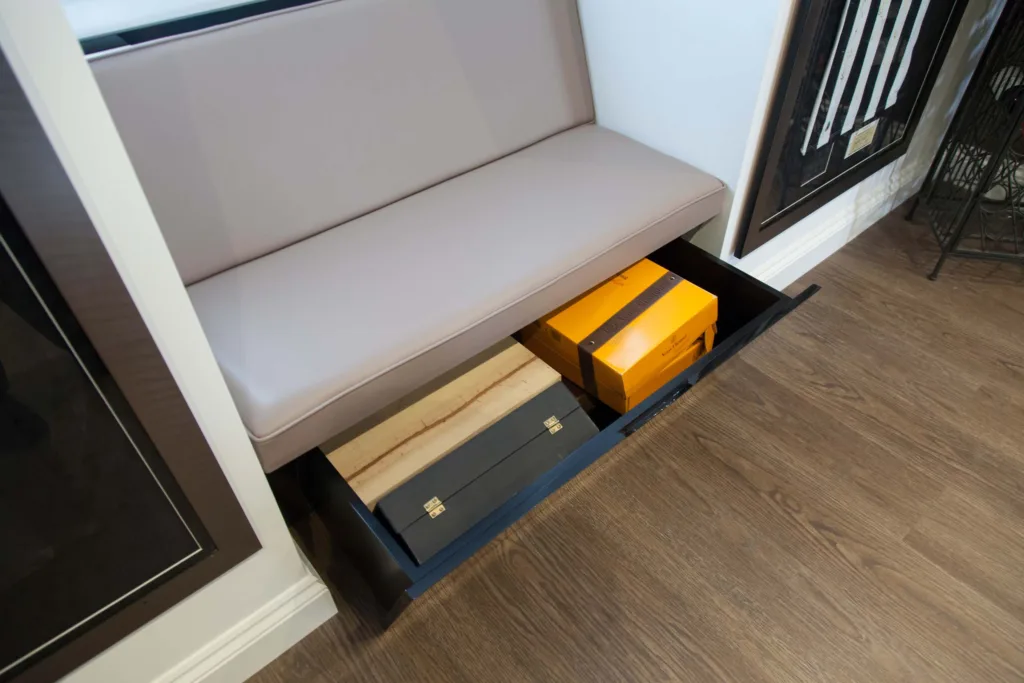
Strictly speaking, bespoke means designed from nothing for one particular person and one particular space. Nothing is carried over from a catalogue unless you want it to be. The bench seat above, with a deep drawer hidden under the cushion, exists because of the space it sits in and what the owners wanted to keep there.
Bespoke comes into its own when a room is awkward, when a piece has a very specific job, or when you want details a range simply does not offer. Matching the proportions of existing joinery is a good example.
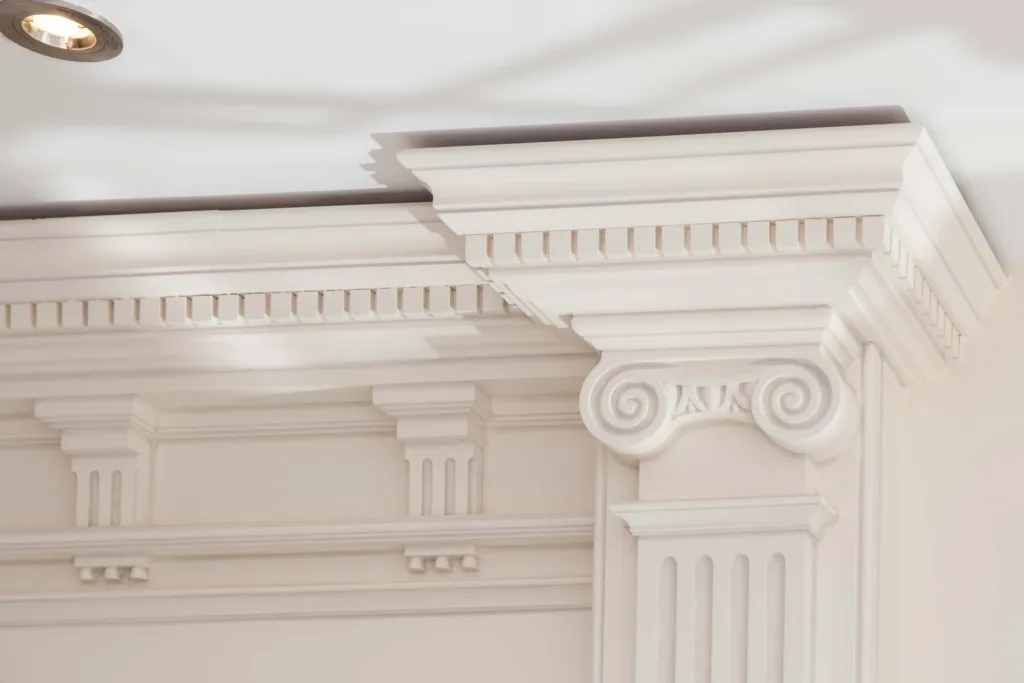
It is also the word most often stretched. Plenty of furniture described as bespoke is really made-to-measure, or standard units with a custom colour. That may still be a good product, but you should know which you are paying for.
Six questions worth asking
Whatever the brochure says, these questions usually reveal what is on offer:
- Can any dimension change, and by how much? Millimetre by millimetre is very different from a fixed set of size steps.
- Who makes it? There is no wrong answer, but you should get a straight one.
- What is the carcass made from? The parts you cannot see are where costs are most easily cut.
- Whose hardware is it? Hinges and runners get used thousands of times, so they matter more than almost anything else.
- Who fits it, and who do I call if something is wrong? Clear responsibility is worth a great deal once work begins.
- What happens if my walls are not straight? In most British homes they are not. A good answer involves scribing to the wall rather than hiding the gap.
Spend it where it shows
You do not have to choose one approach for the whole house, or even for the whole room. A made-to-measure kitchen might sit perfectly well alongside one truly bespoke element, such as an island end or a dresser built around something you already own.
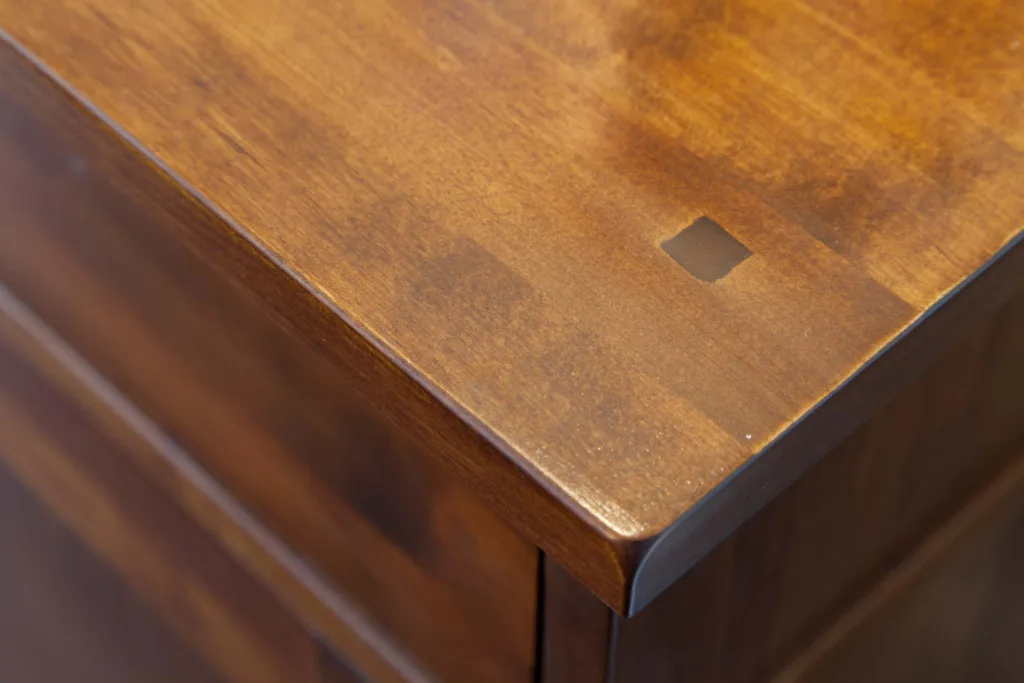
The real test of any furniture is how it looks and works after ten years of daily use, with the corners, edges and surfaces your hands touch every day holding up. That comes from materials and care far more than from the label.
If you would like to compare them side by side, our Basildon showroom is a good place to do it. Ask us the six questions above; we are happy to answer them, and to tell you when the simpler option is the right one. You can also see more of our interiors and bespoke furniture.